Leading Trends in Kitchen and Bathroom Remodeling: Enhance Your Property's Style
The world of bathroom and kitchen renovation is transforming. Property owners are progressively emphasizing eco-consciousness and customization in their remodeling plans. From sustainable materials to intelligent systems, these developments are transforming how areas are used. Bold aesthetics and open concepts additionally improve the appeal. Yet, the most captivating transformations often lie in the finer points. Investigating these trends uncovers how they can enhance a residence's design and usability in surprising manners.
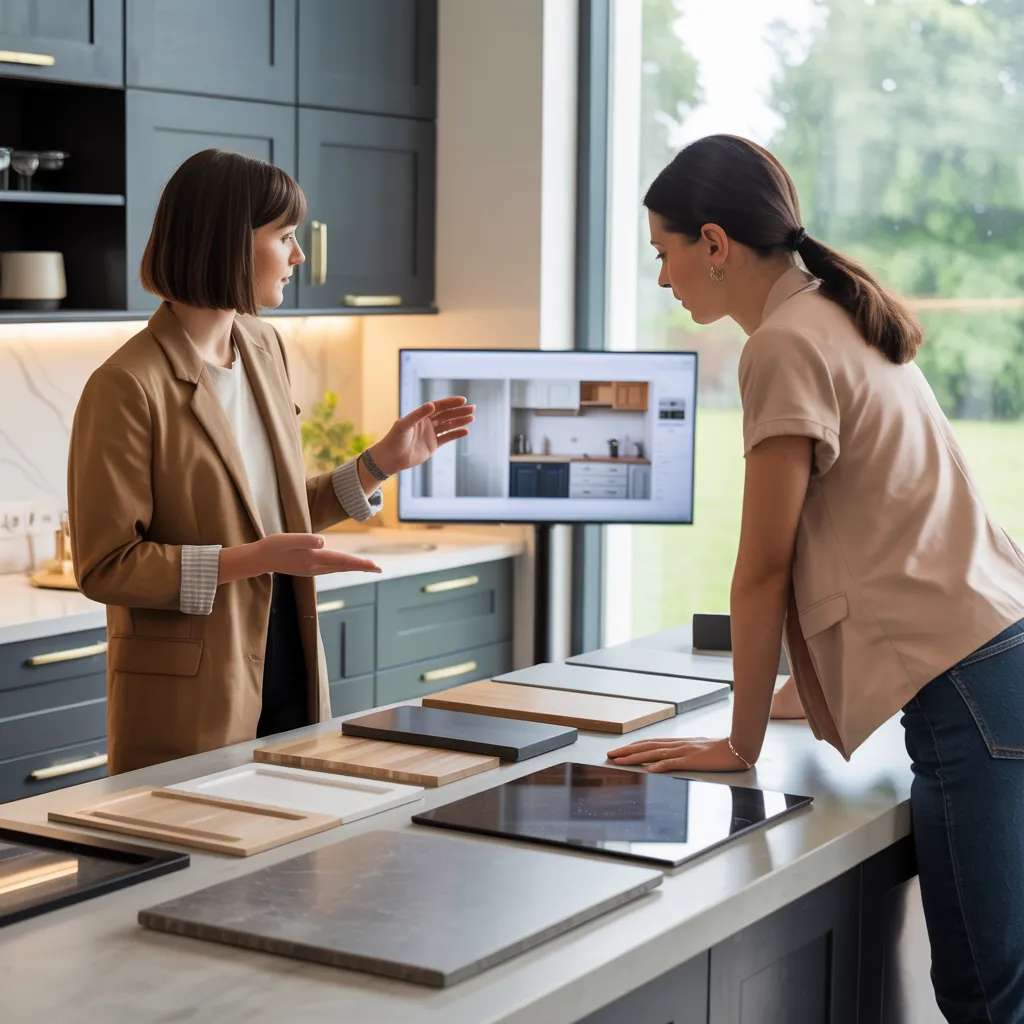
Sustainable Materials: Sustainable Options for Modern Kitchen and Bathroom Spaces
Sustainable materials have become a cornerstone in the design of modern kitchens and bathrooms, showcasing a growing commitment to eco-conscious living. Homeowners more frequently choose materials that minimize environmental impact without forgoing style or functionality. Recycled metal, bamboo, and reclaimed wood stand as popular choices, celebrated for their durability and aesthetic appeal.
Counter surfaces crafted from recycled glass and eco-friendly composites are furthermore growing in popularity, presenting both visual appeal and eco-friendliness. Furthermore, low-emission paints and finishes support superior indoor air quality.
For flooring, choices including cork and linoleum are recognized for their sustainable characteristics and ease of maintenance. Fittings designed with water-saving technologies additionally emphasize a devotion to sustainability. As a result, the integration of these materials not only enhances the aesthetic charm of kitchens and bathrooms but also supports a lifestyle that prioritizes environmental responsibility. This trend demonstrates the perfect equilibrium between elegance and ecological mindfulness in current home design.

Strong Color Options for Kitchens and Bathrooms
Striking color options are having a significant impact in kitchen and bathroom designs, with eye-catching accent walls becoming a popular focal point. Homeowners are increasingly selecting statement fixtures that complement these striking hues, adding personality and flair to their spaces. This trend reflects a growing appetite for individuality and creativity in home remodeling.
Striking Statement Walls
An eye-catching accent wall can revolutionize the atmosphere of a kitchen or bathroom, injecting these spaces with personality and style. By introducing bold colors or eye-catching patterns, homeowners can create a focal point that attracts attention and enhances the overall design. Preferred picks include deep blues, rich greens, and fiery reds, each capable of evoking different moods and aesthetics. Textured finishes, such as shiplap or tile, can further boost the visual interest of the accent wall. This trend allows for creativity and self-expression, making it easier to revitalize the look without a complete remodel. Ultimately, a well-executed accent wall not only adds flair but also reflects the homeowner's unique taste and lifestyle.
Selection of Statement Fixtures
Statement fixtures in vibrant colors can act as striking focal points in bathrooms and kitchens, elevating the overall design. More homeowners are selecting bold hues in lighting, sinks, and faucets to create eye-catching contrasts against neutral palettes. A bold red sink or a turquoise tap can transform examine this material a ordinary space into a vibrant, welcoming environment. Designers suggest pairing these fixtures with complementary elements, such as wall colors and cabinetry, to maintain balance. Additionally, the use of colorful statement fixtures can strengthen the character of the room, enabling personal expression. As trends evolve, these unique choices not only elevate aesthetics but also reflect individual style, making kitchens and bathrooms more dynamic and memorable spaces.
Intelligent Tech: Improving Performance in Your Rooms
In what ways can smart technology transform the functionality of bathroom and kitchen spaces? Installing smart devices permits homeowners to improve ease of use and effectiveness. In the kitchen, smart refrigerators can check inventory and offer recipes based on available ingredients, while smart ovens permit remote preheating, guaranteeing meals are ready when needed.
In bathroom areas, smart mirrors with integrated lighting and touch controls can streamline morning routines, while smart showers permit users to adjust water temperature and flow via mobile apps, providing a customized experience.
Furthermore, smart faucets that have motion sensors can save water, encouraging sustainability. Home automation systems can regulate lighting, temperature, and security features, all reachable through smartphones or voice commands.
These innovations not only increase functionality but also bring modern elegance into home spaces, ultimately improving the overall living experience. As technology improves, the potential for enhancing bathrooms and kitchens with smart solutions continue to multiply.
Open Floor Plan Designs: Integrating Kitchens With Living Areas
Open concept layouts have become increasingly sought-after for integrating kitchens with living areas, offering multiple benefits such as increased space and enhanced social interaction. Thoughtful design tips and ideas can help maximize the functionality and style of these combined spaces. By strategically merging aesthetics with practicality, homeowners can establish an appealing atmosphere that serves multiple purposes.
Advantages Of Open Spaces
Although traditional layouts typically compartmentalize spaces, the shift of open concept designs, which combines kitchens with living areas, offers numerous perks. One notable benefit is the enhanced flow of natural light, creating a brighter and more inviting atmosphere. This design promotes social interaction, permitting families and guests to engage more easily during gatherings. Furthermore, open spaces can make homes feel more expansive and less claustrophobic, promoting a sense of freedom and comfort. The flexibility in furniture arrangement is another key asset, allowing homeowners to create versatile spaces that suit their lifestyle needs. Ultimately, the visual continuity achieved through open designs adds a modern aesthetic appeal, boosting overall home value and attracting potential buyers.
Ideas And Tips For Design
What design elements can enhance the aesthetic and functionality of open concept spaces? Implementing a cohesive color palette throughout the kitchen and living area can establish a seamless flow. Choosing versatile materials, such as hardwood flooring or large-format tiles, aids in unifying the spaces visually while improving durability. Additionally, strategic lighting is essential; utilizing a mix of ambient, task, and accent lighting provides depth and warmth. Open shelving can serve dual purposes, offering display opportunities and keeping the space airy. Incorporating a central island not only facilitates cooking but also encourages social interaction. Finally, selecting furniture that complements the overall design without overwhelming the area allows for both comfort and style, guaranteeing the space remains inviting and functional for everyday use.
Uniting Utility And Also Style
Combining functionality and style in open concept designs needs a thoughtful approach that balances aesthetics with practical use. Homeowners progressively favor layouts that unite kitchens with living areas, creating a seamless flow that elevates social interaction. To realize this, designers recommend using cohesive color palettes and materials that connect both spaces together, ensuring visual harmony. Multi-functional furniture, such as islands with seating or built-in storage, enhances utility while maintaining an inviting atmosphere. Strategic lighting can separate areas, highlighting the kitchen's work zones while creating ambiance in the living space. Furthermore, incorporating natural elements, like plants or large windows, can boost both functionality and style, making the environment more pleasant and inviting for family gatherings or entertaining guests.
Elegant Fixtures with Fine Finishes
As home residents continually strive to upgrade their environments, upscale fixtures and finishes have developed into key features in restroom and kitchen refurbishment. Elite materials such as marble, high-quality woods, and quartz are being favored for countertops and cabinetry, delivering a refined aesthetic. Furthermore, fixtures and hardware in polished gold, brushed nickel, or matte black add a updated appeal while ensuring durability and ease of maintenance.
Light fixtures have emerged as key focal points; dramatic chandeliers and graceful pendant fixtures simultaneously light up rooms while acting as design focal points. Standalone bathtubs and rain-style shower fixtures create spa-like experiences, improving both functionality and visual appeal.
As customization continues to gain momentum, homeowners are opting for bespoke elements that demonstrate unique preferences. All in all, the incorporation of upscale fixtures and finishes transforms standard spaces into impressive retreats, showcasing a balance of form and lavishness that embodies contemporary design trends.
Infusing Vintage Accents in Modern Kitchen and Bathroom Designs
The mixing of vintage influences with current design elements is becoming more prevalent in kitchen and bathroom remodeling. Homeowners are aiming to create individual spaces that reflect personal style while providing contemporary functionality. Vintage materials, such as subway tiles and clawfoot bathtubs, are being matched with sleek, modern fixtures to establish this seamless balance.
Color schemes featuring soft pastels or deep jewel tones inspire nostalgic emotions, while current appliances supply the latest in energy efficiency. Vintage-styled cabinets, featuring elaborate hardware, can enhance simple countertops, continuously strengthening the eclectic aesthetic.
Lighting plays an important part as well; classic-style hanging lights or wall-mounted fixtures can work as statement pieces, blending vintage character with current design principles. Ultimately, this style permits residents to embrace historical charm while enjoying the conveniences of the present, forming inviting, aesthetically pleasing environments that balance function and aesthetics.
Minimalist Aesthetics: Refining Your Areas
While several homeowners enjoy the beauty of retro aesthetics, others gravitate toward the crisp edges and simplicity of minimalist aesthetics in their bathroom and kitchen renovations. This design principle prioritizes functionality and tidy spaces, generating a serene atmosphere that facilitates relaxation and efficiency. A minimalist philosophy often utilizes understated hues, enabling natural light to improve the sense of openness.
Essential components of minimalist design include clean-lined cabinetry, discreet fixtures, and refined countertops, which foster an overall atmosphere of spaciousness. Homeowners might select fewer decorative items, favoring quality over quantity to preserve a tidy environment. Textures and subtle materials, such as matte finishes or natural wood, can bring depth without dominating the senses. Ultimately, minimalist design not only improves the style of kitchens and bathrooms but also cultivates a sense of calm, making these spaces more pleasant and functional for daily living.
Versatile Kitchen and Bathroom Design Concepts
In an era where space is frequently at a premium, multi-functional kitchen and bathroom designs have emerged as a sensible solution for maximizing utility without sacrificing style. These inventive layouts emphasize versatility, permitting homeowners to make the most of their limited square footage. For kitchens, features like islands that double as dining spaces or folding countertops supply flexibility for cooking and entertaining. Likewise, bathrooms are now incorporating features such as integrated storage solutions and vanities that serve multiple purposes.
The rising popularity of intelligent technology also fulfills an essential role in these designs. Appliances that can be controlled remotely or fixtures that optimize water usage not only enhance functionality but also contribute to sustainability. What's more, modular configurations facilitate simple reconfiguration, making it easy to transform spaces for multiple purposes. At last, multi-functional layouts demonstrate a present-day approach to home renovation that highlights efficiency and design.
Original Customization Concepts for Personalized Spaces
How can homeowners create truly custom spaces in their kitchens and bathrooms? Innovative customization concepts can change these areas into manifestations of unique style and functionality. For example, tailored cabinetry enables homeowners to select materials, finishes, and hardware that match their aesthetic preferences. Including handcrafted tiles or backsplashes can bring a distinctive touch, displaying personal taste and creativity.
Furthermore, customized lighting options, for example pendant lights or under-cabinet LEDs, can improve ambiance while accentuating unique design elements. Homeowners may also consider custom countertops using unique materials like quartz or recycled glass, making sure each surface expresses individuality.
Additionally, integrating technology—smart faucets or heated floors—can offer both a modern flair and convenience. To complete the design, creating specific zones for hobbies or personal collections can further elevate the individuality of these living areas, confirming they are not only utilitarian and genuinely personalized.
Questions & Answers
How Much Do Kitchen and Bathroom Remodeling Projects Typically Cost?
Kitchen remodeling costs typically range from $12,000 to $35,000, while bathroom remodeling ranges from $6,000 and $15,000. Factors influencing these costs include materials, labor, and overall project scope.
What's the Timeline for a Standard Kitchen or Bathroom Renovation?
A typical kitchen or bathroom remodel generally takes between six to twelve weeks, according to the project's scope. Elements such as design complexity, labor availability, and material sourcing can significantly impact the complete schedule.
Is Remodeling Without a Professional Contractor Possible?
Indeed, it's possible to remodel without engaging a professional contractor. However, it requires careful planning, adequate skills, and understanding of local building codes. Many opt for this approach to save money, although it can require significant effort.
What Are the Most Typical Mistakes to Avoid in Remodeling?
Typical errors in remodeling include lack of proper planning, budget underestimation, overlooking necessary permits, hasty decision-making, and overlooking future needs. Each oversight can bring about costly delays and frustration over the final result.
How Can I Improve My Home's Resale Value Through Remodeling?
Homeowners can enhance property worth by emphasizing kitchen and bathroom renovations, elevating curb appeal, integrating energy-efficient appliances, and using quality materials. Strategic updates draw in potential buyers and provide a strong return on investment.